The challenges of planting Vetiver
Vetiver is a highly versatile plant that can support a range of bioengineering and phytoremediation applications. When employed as a hedgerow on a leveled line, Vetiver acts as a practical erosion control measure known as the Vetiver System. Once established, Vetiver typically requires relatively little human or financial input.
The journey of Vetiver from a promising solution to a globally adopted practice is fraught with obstacles. Despite its low maintenance and resilience, the initial phase of Vetiver cultivation demands significant water resources, a requirement that poses a considerable challenge in arid and remote regions. This critical need for water in Vetiver's early stages often deters its adoption, particularly in communities where water is scarce.
The hydrogel solution
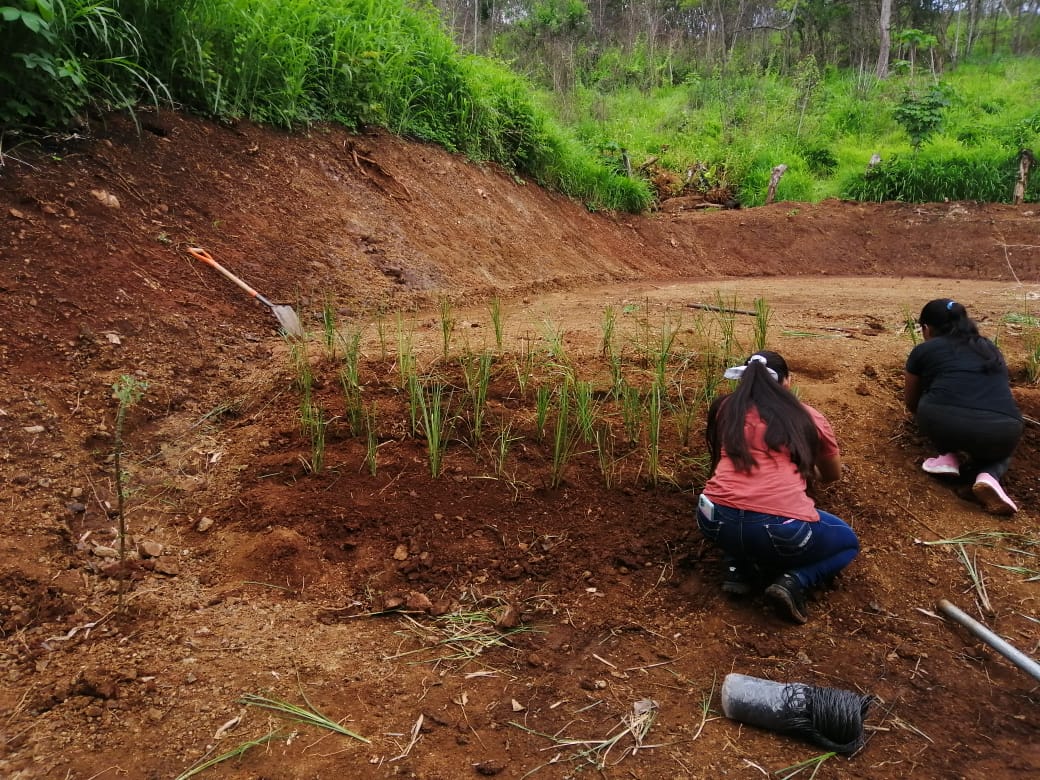
In response to this irrigation challenge, hydrogel has emerged as a promising option. This super-absorbent material can hold water for a period of time and may help meet the initial watering needs of the Vetiver System. By reducing some of the water burden, hydrogel can make Vetiver easier to establish in diverse and challenging environments.
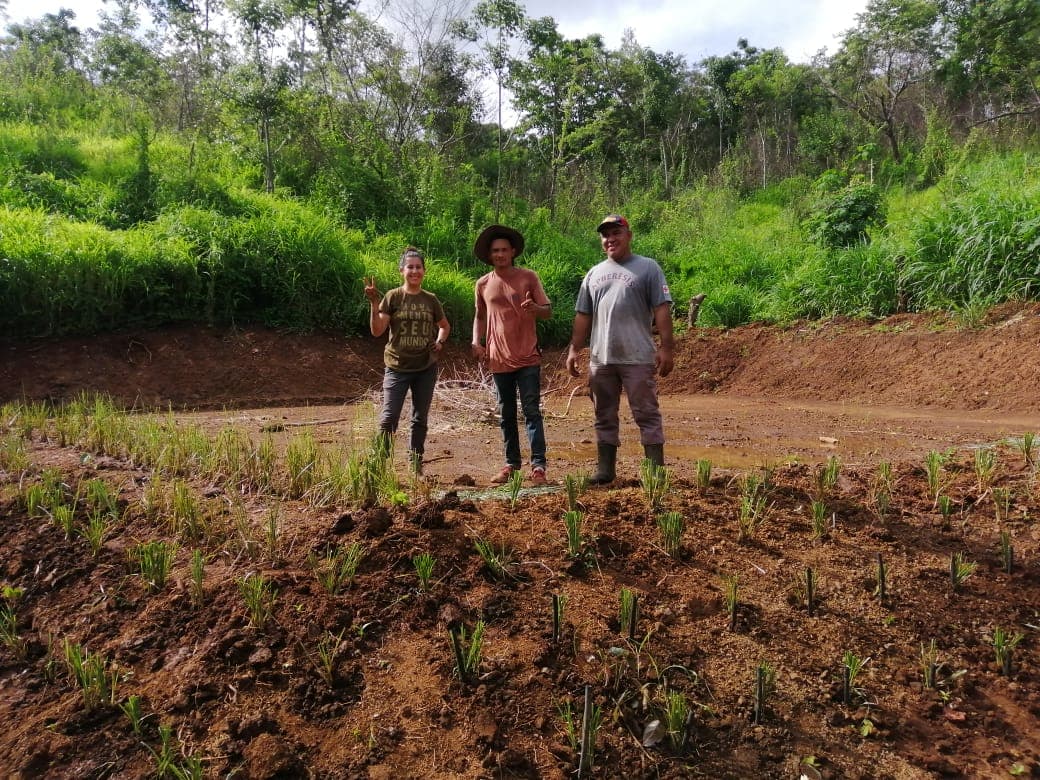
Our foray into the use of hydrogel for Vetiver cultivation is marked by rigorous experimentation and a quest for knowledge. Through methodical trials, we aim to uncover the optimal application of hydrogel, ensuring Vetiver's successful establishment across varied soil types and climatic conditions. Our experiments in Costa Rica offer a glimpse of this potential, with preliminary results showcasing the promising synergy between Vetiver and hydrogel.
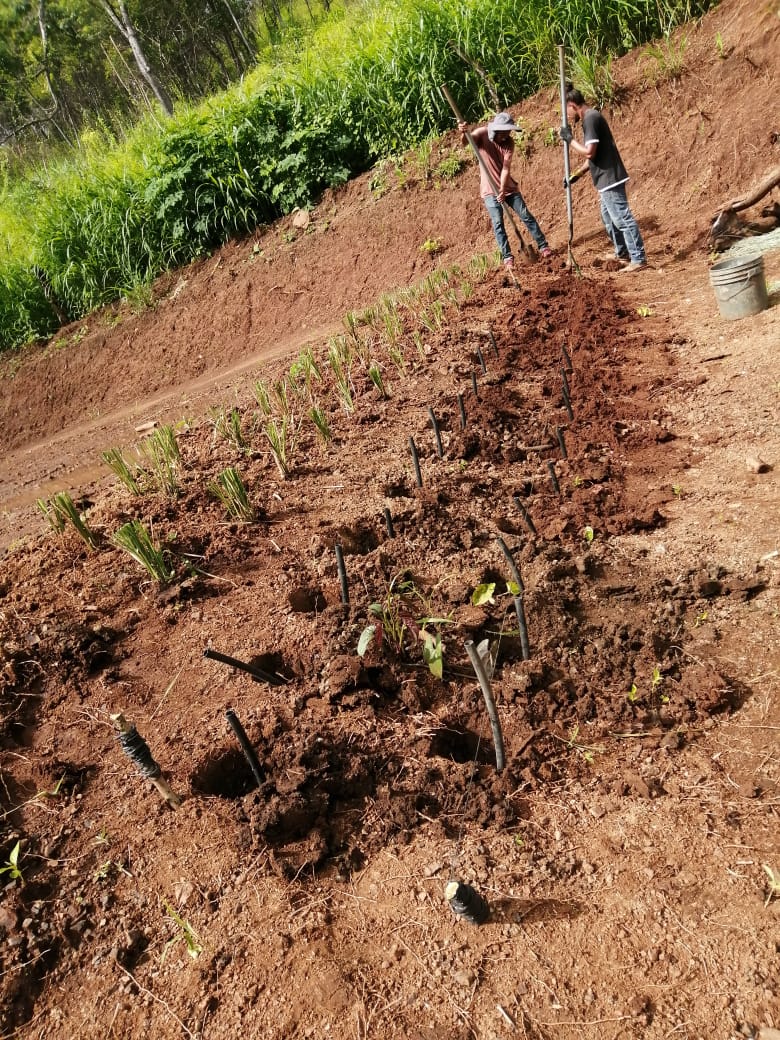
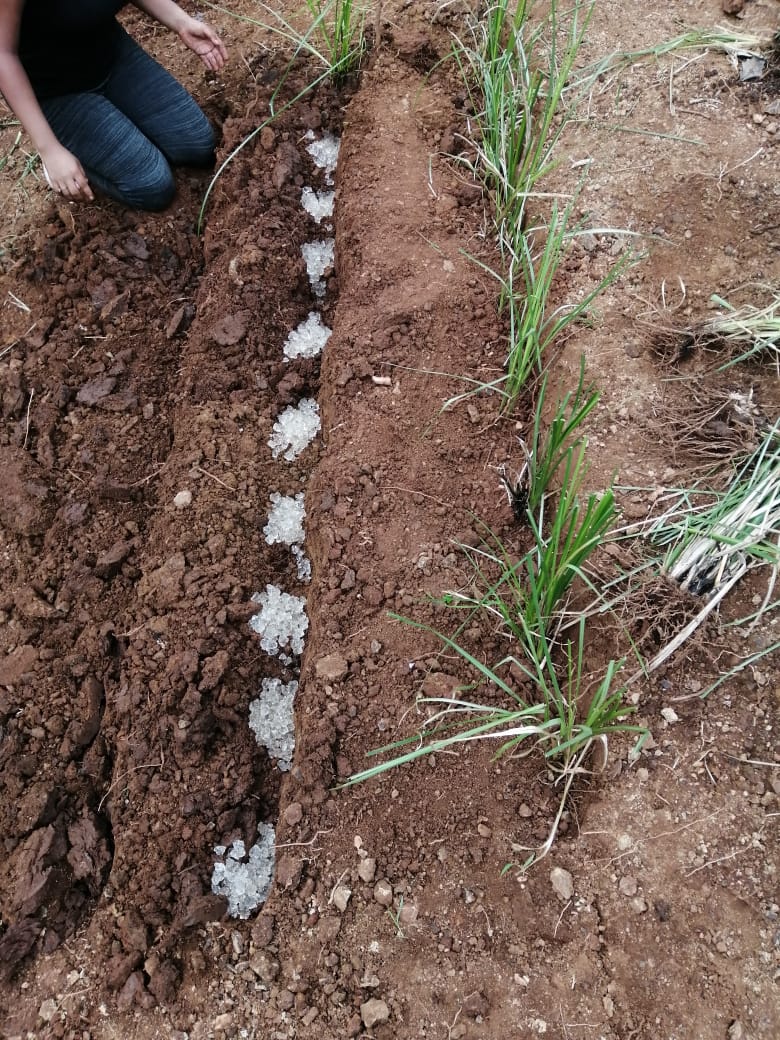
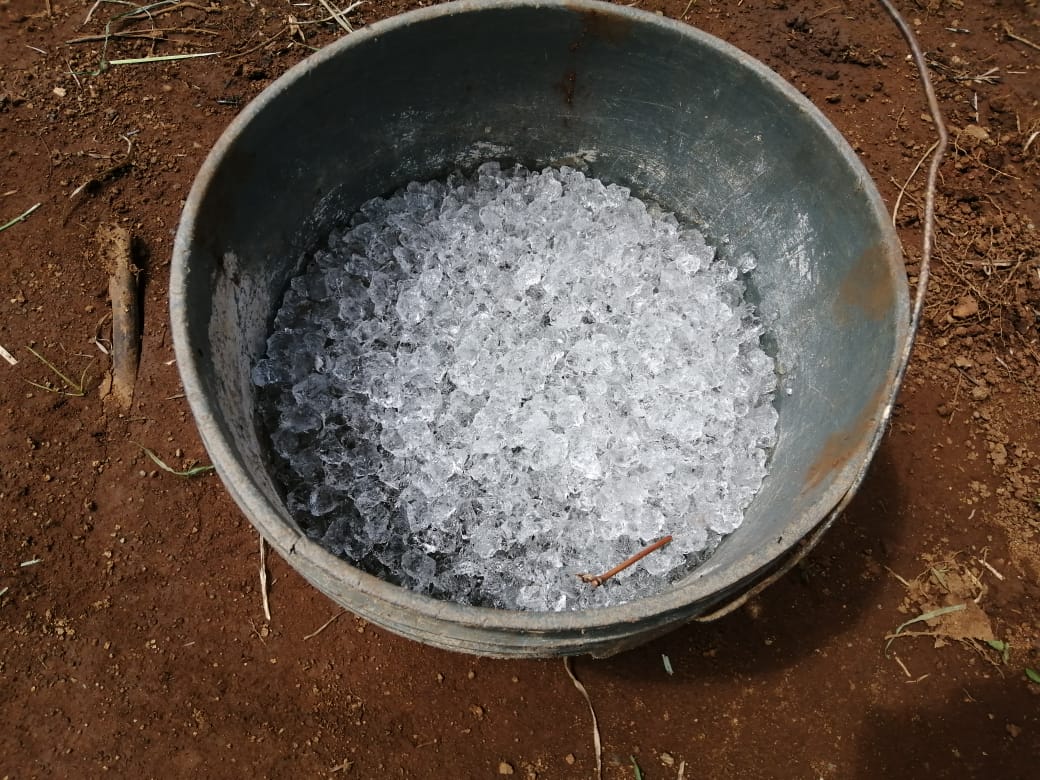
In recent times, the irrigation industry has seen steady experimentation with products such as hydrogel and silica gel. Hydrogel is a water-retaining material that can absorb many times its weight in water and release it again when conditions change. In the right setting, that can make it a useful support material for establishment work.
Hydrogel can be practical for some large-scale projects because it can be carried by workers into places where vehicles cannot access. Although it may take longer to apply initially, once mixed with soil, it can reduce the amount of watering needed during establishment. That makes it one option among several for irrigation planning.
Various projects that entail trucks and personnel typically employ diverse irrigation techniques to establish vetiver during the initial two weeks of its cultivation. A few of these utilize a drip system, sourced from a movable tank, while most of them carry out manual watering with a watering tank. Although this approach works well in certain situations, a limited number of communities have access to a truck that can transport a water tank, pump, and a backhoe that has an extensive reach to water multiple meters of hedgerow.
Spraying water is also quite inefficient because of the loss of water through natural processes, like evaporation, which pushes to irrigate when the sun is not very strong, early in the morning or late in the day. But the most important loss of water occurs through soil infiltration, which is normal, because we don’t want the soil to retain too much water, but causes a great inefficiency in water distribution.
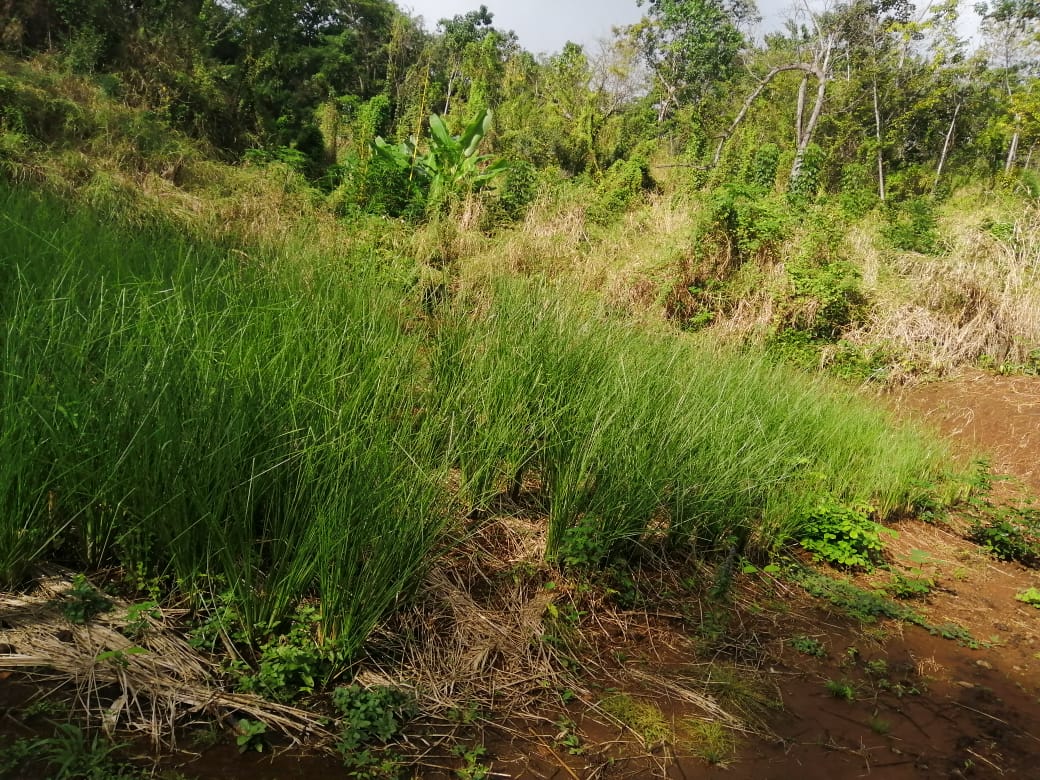
A notable result in our research was the performance of Vetiver plants established with 300 grams of hydrogel. That quantity performed well in our trial, supporting stronger early growth than lower or zero hydrogel use. The result suggests hydrogel may help with establishment, but it should still be treated as a trial reference rather than a universal rule.

The outcomes observed with the 300-gram hydrogel application point to the need for more exploration and research. The trial suggests one possible way to improve establishment in places facing water scarcity and erosion, but it does not by itself establish a universal best practice.
Partners in experimentation
Guanacaste Water Center
This experiment was made possible by the Guanacaste Water Center in order to test the idea and allow more communitites to try.
Facebook
Youtube
Envelope
Instagram